Pay Online


Symptoms
- Blackheads
- Whiteheads
- Cysts
- Nodules
- Papules
- Pustules
Acne
in Fargo, North Dakota
The most common skin problem in the United States is acne. Most people get acne starting in their teens, often resolving by the time they reach adulthood. Acne can continue on throughout adult life as well. Severe acne can have a huge effect on self-esteem, confidence, and stress levels. Many people incorrectly think that acne can be easily treated, but some patients struggle with acne despite multiple different treatments, products, and methods. Sometimes, seeing a board certified dermatologist can be the best solution to chronic acne.
Consult Request
What is Acne?
Acne vulgaris is a skin condition that causes blemishes, such as pimples, to appear on the skin. Acne can also cause the skin to look red and inflamed, and can even be painful. It’s often caused by pores that become clogged with debris and oil, providing a suitable environment for bacteria. These clogs often form in hair follicles, where trapped oil and dead skin cells lead to breakouts and skin irritation. Acne typically appears on the face, neck, back, chest, and shoulders, although it can occur virtually anywhere. Without treatment, acne can cause permanent scarring and dark spots on the skin.
What Causes Acne?
There are many things that can contribute to acne flare-ups. Factors like hormones, diet, sleep, exercise, and genetics can all play a role in acne breakouts. Acne begins to appear when a pore becomes clogged with dead skin cells or bacteria, which creates an inflammatory response recognizable by the pimples that we see on our faces. The same factors that contribute to acne-prone skin also contribute to how well your skin is able to shed its skin cells by regulating the oil and bacteria on your skin. Sometimes, patients are able to see a reduction in acne breakouts by adjusting these lifestyle factors.
Sometimes, the issue is harder to resolve, especially when it is genetic. This means that professional treatments or products may be necessary, and Dr. Ness can recommend the best in both.
Had a great experience here! Knowledgeable staff, great front desk, and even better patient care. All my questions were answered, and options were given. Very up front about costs as well! Highly recommend this place!
How is Acne Treated?
In order to get an effective diagnosis for acne, it’s important to consult a dermatologist. This is because different types of acne can be caused by different things, so Dr. Ness can help create a customized treatment plan. If you have mild acne, then treating acne lesions using products that contain benzoyl peroxide or salicylic acid can help to clear the skin. The more severe the acne such as cystic acne that you have, the more there may need to be professional treatment. There are many types of treatments to address acne problems, and we offer many of the most effective ones at our Fargo office.
Treatments:
- Chemical Peels
- Laser Therapy
- Topical Treatments
- Antibiotics
- Birth Control
- Spironolactone
- PDT (photodynamic treatment)
- Isotretinoin (Accutane)
By consulting with one of our doctor at Fargo Center for Dermatology, they will look at your skin, and then help to create a personalized treatment plan for your skin concerns. These treatments may include targeting overactive sebaceous glands that produce excess oil.
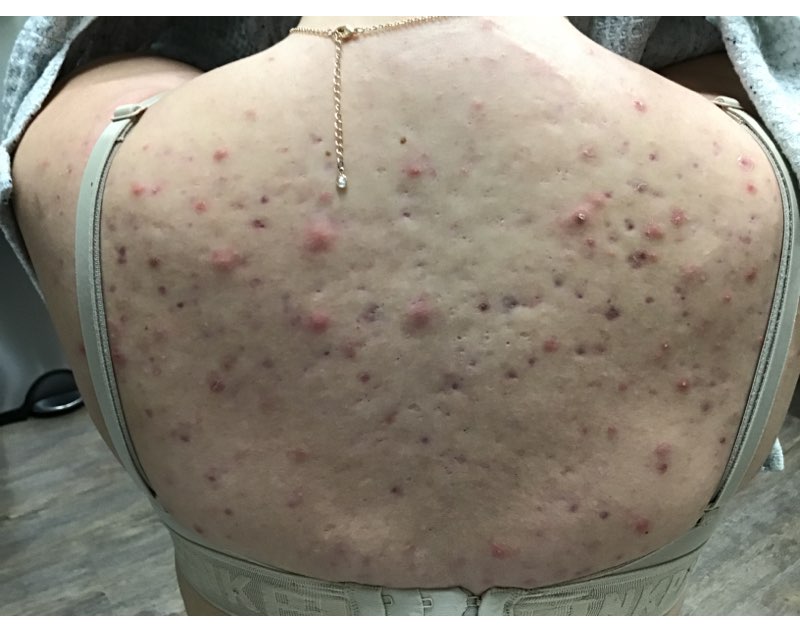
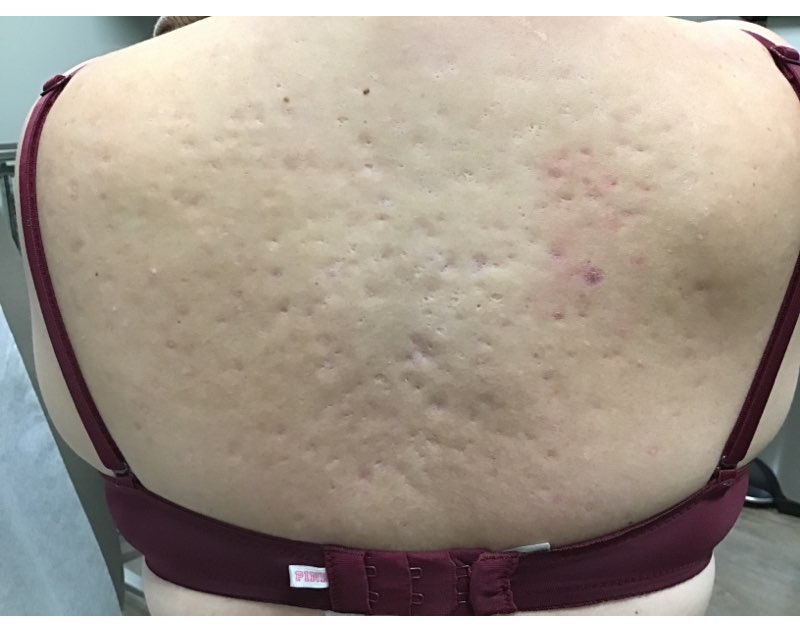
Acne Maintenance
After you find the right treatment for you and your skin has cleared up, it’s important to continue with some form of at-home treatment to minimize the recurrance of acne and prevent acne scars. You should regularly clean your face and be gentle with your skin. As much as treatment helps to get rid of acne, it is also helpful for preventing any future breakouts. Dr. Ness will go over any skincare necessities for you to prevent another breakout. We can also recommend the best acne treatments for you from our full line of in-house products. Keeping acne at bay involves reducing inflammatory acne lesions and supporting the healing of affected skin through a consistent routine.
Schedule a Consultation
If acne has started to negatively affect your life, then it is time to look at your treatment options. Acne can be frustrating to deal with but can be prevented with the help of a board-certified dermatologist. Contact us or book online today with Dr. Rachel Ness.
Acne FAQs
How long does acne take to fully clear?
Who does acne affect the most?
How do I know if my acne is healing?
How long does acne get worse before it gets better?
What kills acne bacteria?
What causes acne and why is it happening to me?
Can adults in their 30s or 40s get acne?
How do providers diagnose different types of acne?
What treatment options are available for acne?
How long does it take to see improvement from acne treatment?
Can diet or lifestyle changes help reduce acne?
Is it safe to use over-the-counter acne products like benzoyl peroxide or salicylic acid?
Can certain medications make acne worse?
Will my acne leave scars if untreated?
How do I start acne treatment with Fargo Center for Dermatology?